
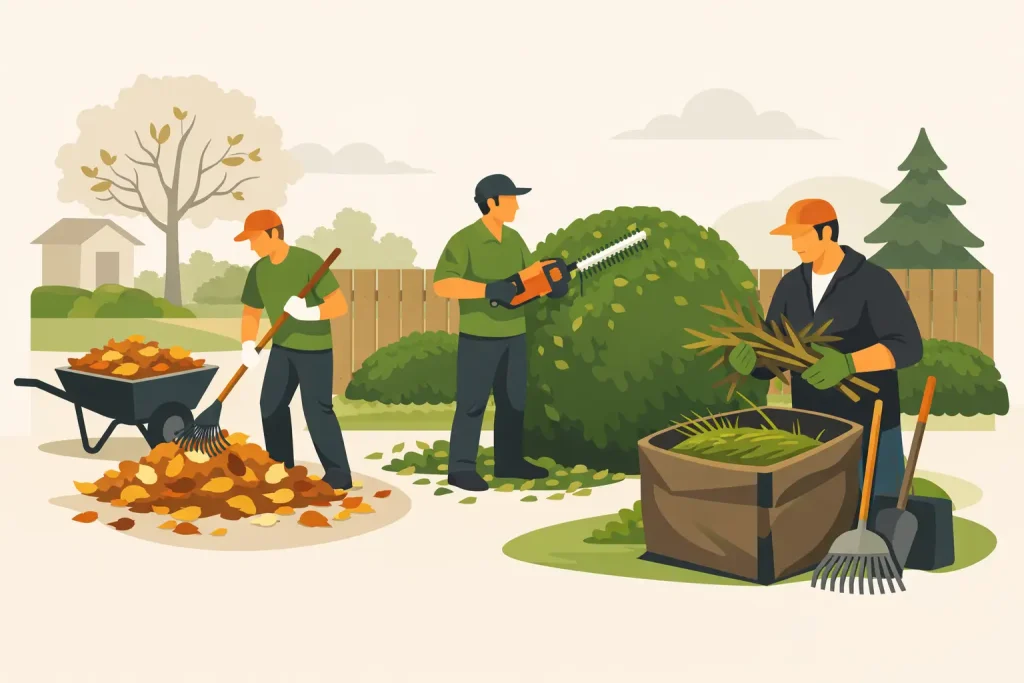
A seasonal yard cleanup service is more than a quick pass with a rake. In Macomb, changing weather can leave behind heavy leaf cover, broken branches, compacted debris, matted turf, and planting beds that need attention before the next season begins. A professional cleanup restores order, but more importantly, it helps protect the lawn, plants, drainage areas, and hardscapes you have invested in.
For homeowners, the value is simple: the property looks cared for without spending an entire weekend hauling bags, wrestling with overgrown perennials, or wondering whether a task should wait until spring. The right crew works through the property methodically, identifies areas that need extra care, and leaves it ready for the weather ahead.
Why Seasonal Cleanup Is Part of Proper Property Care
Grass, shrubs, trees, and planting beds do not stop needing attention when mowing season slows down. Leaves and debris can trap moisture against turf, block sunlight, and create conditions that encourage disease. In beds, a dense layer of wet leaves can smother smaller plants and keep the soil overly damp. Along patios, walks, and driveways, debris can stain surfaces, clog drainage paths, and create slippery conditions.
A cleanup also gives a trained crew a closer look at the landscape. Damaged branches, bare turf, poor drainage, shifting mulch, and plants that did not perform well during the season are easier to spot when the property is cleared. That information can help homeowners make practical decisions before a minor issue becomes a larger repair or renovation project.
The exact scope depends on the season and the condition of the yard. A lightly wooded lot with mature trees may need several fall visits, while a newer property may need a focused spring reset. The goal is not to apply the same checklist to every yard. It is to give each property the level of attention it actually needs.
What a Seasonal Yard Cleanup Service Typically Includes
A thorough cleanup begins with debris removal across the lawn, landscape beds, and accessible hardscape areas. Crews collect leaves, fallen twigs, branches, and other seasonal buildup so the turf and beds can breathe. This is particularly important in fall, when leaf cover can build quickly after a few windy days.
Planting beds are then refreshed. Depending on the time of year, that may include removing annuals that have finished their season, cutting back appropriate perennials, clearing leaves from around shrubs, and defining bed edges. Not every plant should be cut back at the same time. Some perennials benefit from fall trimming, while others are better left standing for winter protection and cut back in spring. Knowing the difference helps preserve plant health and avoids an overly bare landscape.
The service often includes attention to the lawn as well. Crews remove debris that can block sunlight and assess areas where leaves have matted down the grass. In spring, cleanup may include the first edging of beds and hardscape borders, along with preparation for mowing, fertilization, and weed-control programs. In fall, the focus shifts toward getting the lawn clear before winter and helping it enter dormancy in better condition.
Hardscapes deserve attention too. Leaves and organic material collect along patios, retaining walls, steps, walkways, and drainage channels. Clearing these areas helps maintain a neat appearance and can prevent buildup from washing into low spots after rain. If a crew notices settling, water pooling, or drainage concerns, a full-service outdoor contractor can help determine whether routine maintenance is enough or whether the property needs a grading, drainage, or hardscape repair plan.
Spring Cleanup: Resetting the Property After Winter
Spring cleanup is about uncovering the landscape and preparing it for growth. Snow, freeze-thaw cycles, wind, and winter traffic can leave a property looking tired even when no major damage has occurred. Early cleanup makes it easier to see what survived the winter, what needs pruning, and where mulch or bed improvements may be needed.
A spring visit commonly includes removing winter debris, clearing beds, cutting back suitable perennials, cleaning up ornamental grasses, and gathering branches. It is also a useful time to inspect irrigation heads, drainage routes, and areas of turf that stayed wet or thin after snowmelt. Addressing these concerns early can make the rest of the season easier to manage.
Spring timing matters. Starting too early can mean working in saturated soil, which risks compaction and damage to emerging plants. Waiting too long can allow weeds to take hold and make cleanup more time-consuming. A local team can schedule work around actual ground conditions rather than the calendar alone.
Fall Cleanup: Protecting Your Yard Before Winter
Fall cleanup is often more involved because leaves continue dropping over several weeks. One visit may be enough for a small property with limited tree cover, but many homes benefit from scheduled visits as the season progresses. Letting heavy leaf cover sit until all trees are bare can create avoidable stress on the lawn beneath it.
The work usually includes repeated leaf removal, bed clearing, branch pickup, and removal of spent annual material. Perennials are handled according to their variety and condition, not simply cut down across the board. This is also the right time to keep catch basins, swales, and drainage areas clear of debris before winter rain and snow arrive.
A clean fall property is easier to manage in spring. It reduces the amount of matted material crews must remove once the ground thaws and helps your lawn receive better air circulation before winter dormancy. That does not mean every leaf must disappear from every natural area. In some parts of a property, leaves can be used thoughtfully as organic material. Around turf, formal beds, walkways, and drainage features, however, removal is usually the better choice.
When Professional Cleanup Makes the Most Sense
Many homeowners can handle light cleanup themselves. The trade-off is time, equipment, and disposal. A few bags of leaves are manageable, but large volumes, steep grades, mature trees, extensive beds, or recurring storms can turn the job into a demanding project. There is also the question of what to do with branches, landscape waste, and debris once it is collected.
Professional service is especially useful when your property has multiple landscape zones, retaining walls, patios, drainage features, or irrigation equipment that requires care around it. It also makes sense for homeowners who want their cleanup coordinated with ongoing mowing, fertilization, bed maintenance, or seasonal lighting. One accountable team can maintain a clearer picture of the property instead of treating each visit as an isolated task.
Before work begins, ask what is included in the proposal. A clear, line-item scope should explain whether debris hauling, bed work, branch removal, edging, and additional visits are included. It should also clarify what falls outside routine cleanup, such as tree removal, major pruning, mulch installation, drainage repair, or plant replacement. Transparent expectations prevent surprises and help you compare services fairly.
Choosing a Cleanup Plan That Fits Your Property
The best plan is based on your yard’s tree cover, bed size, lawn condition, and how you use the space. A family that regularly entertains on a patio may prioritize clean hardscapes and accessible walkways. A homeowner with large mature maples may need multiple leaf visits. Properties with known drainage concerns may need extra attention around downspouts, catch basins, and low areas.
Reeser Outdoor approaches seasonal work as part of the property’s larger maintenance picture. That means cleanup crews can recognize when a recurring issue may be connected to irrigation performance, grading, worn bed edges, or declining plant material. Rather than sending homeowners to find another contractor, the same local team can provide practical next steps and a clear proposal if additional work is needed.
A well-timed cleanup does not just make the yard look better for the weekend. It gives your lawn and landscape a cleaner start, keeps outdoor areas safer to use, and makes the next season feel far less overwhelming.