
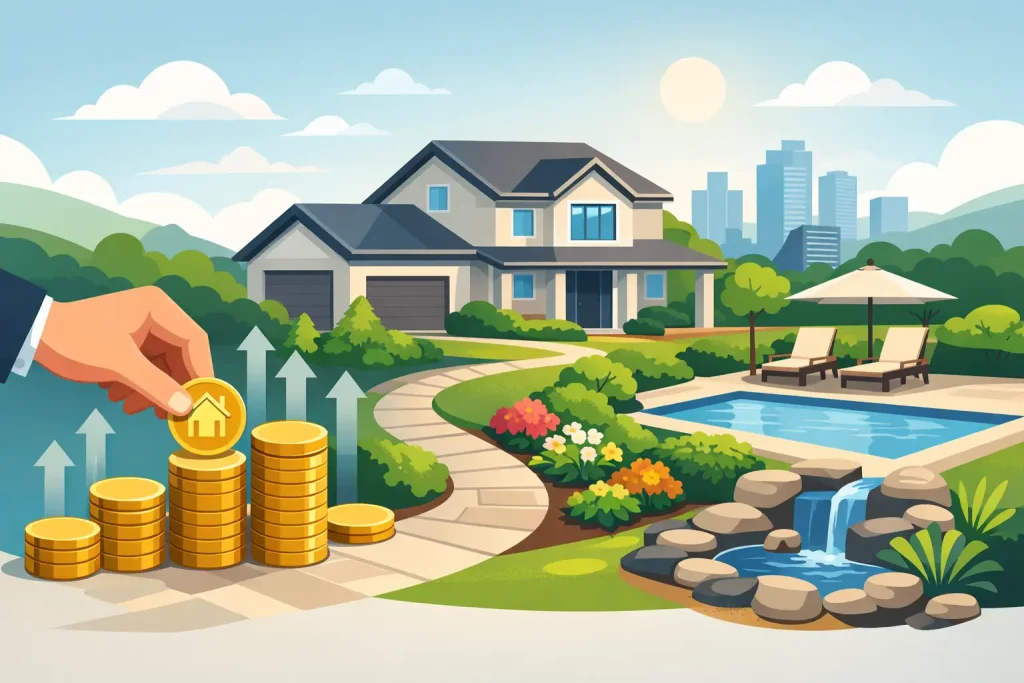
A buyer’s first impression starts before they reach the front door. An overgrown foundation bed, patchy lawn, standing water near the driveway, or cracked walkway can make an otherwise well-kept home feel like more work. So, can landscaping increase home value? In many cases, yes – especially when improvements make the property look cared for, function better, and feel ready to enjoy from day one.
Landscaping is not a guaranteed dollar-for-dollar return, and the best investment depends on your home, neighborhood, budget, and selling timeline. But thoughtful exterior improvements can strengthen curb appeal, reduce obvious buyer concerns, and help your property compare more favorably against similar homes.
Can Landscaping Increase Home Value in a Meaningful Way?
Landscaping can increase perceived and actual home value when it improves the features buyers notice and use. A clean lawn, healthy plants, defined beds, usable outdoor spaces, and safe access routes create a sense that the entire property has been maintained properly.
That perception matters. Buyers often use the exterior to form an early opinion about the home’s condition. If the outside looks neglected, they may wonder whether the roof, mechanical systems, drainage, or interior finishes were also ignored. On the other hand, a polished exterior helps buyers arrive with confidence and can make photos, showings, and open houses more effective.
The strongest projects solve a real problem while improving appearance. Correcting a grading issue, adding drainage, replacing a failing retaining wall, or installing an irrigation system can protect the property as well as make it more attractive. These are not always the most glamorous upgrades, but they can prevent a buyer from seeing a costly project waiting for them after closing.
Start With the Areas Buyers See First
For most homes, the front yard provides the best place to begin. It is the part of the landscape that appears in listing photos, frames the entry, and sets expectations for the rest of the property.
A well-maintained lawn is one of the clearest signs of care. That does not mean every lawn needs to look like a golf course. It does mean grass should be consistently mowed, edged, fertilized appropriately, and free of widespread weeds or bare areas. In Macomb-area neighborhoods, seasonal lawn care is especially valuable because winter wear, summer stress, and drainage issues can quickly leave turf looking thin.
Foundation plantings also deserve attention. Mature shrubs that block windows, crowd walkways, or hide the home’s architecture can make a house look dark and dated. Selective pruning, removal of tired plant material, fresh mulch, and a balanced mix of shrubs and perennials can make a major difference without requiring a complete redesign.
The front walk and entry should feel safe and intentional. Uneven pavers, cracked concrete, poor lighting, or a narrow path can distract from an otherwise attractive property. A repaired walkway, refreshed planting beds, and practical low-voltage lighting help guide visitors to the door while making the home more welcoming after dark.
Fix Drainage and Grading Before Adding Decorative Features
Homeowners sometimes invest in new mulch, plants, and stone only to find that water continues to collect near the foundation or wash soil out of beds. Decorative landscaping will not solve an underlying water problem.
Poor grading and drainage can lead to soggy lawn areas, dying plants, erosion, damaged hardscaping, and concerns about water reaching the home. Buyers may not understand the technical cause, but they will notice puddles, muddy areas, or downspouts discharging next to the foundation. Those signs can raise questions that affect negotiations.
Addressing drainage may involve reshaping grades, extending downspouts, installing catch basins or drain lines, improving soil conditions, or designing planting beds that direct water appropriately. The right solution depends on where the water starts, where it needs to go, and how the property is built. A professional evaluation can prevent the common mistake of treating the visible symptom instead of the source.
Choose Outdoor Upgrades People Can Actually Use
Outdoor living improvements can add appeal because they expand how a family uses the property. A properly built patio creates a defined place for meals, conversation, and entertaining. A fire feature can make the backyard usable during cooler evenings. Pergolas, seating walls, and landscape lighting can make an ordinary yard feel more complete.
The key is proportion. A small patio may feel undersized behind a large home, while an elaborate outdoor kitchen may not pay off in a neighborhood where buyers expect a simpler backyard. Materials should also fit the home. Durable pavers, well-built retaining walls, and thoughtfully placed steps usually offer stronger long-term value than a rushed project with mismatched materials.
Hardscaping needs proper base preparation, drainage planning, and edge restraint to perform well. A patio that settles, heaves, or holds water can become a liability rather than an upgrade. For homeowners planning to stay in the home, quality installation also means less repair and replacement later. For those preparing to sell, it helps the improvement look finished rather than recently patched together.
Irrigation and Maintenance Protect the Investment
A landscape only adds value when it continues to look healthy. New plants will not perform well without the right watering plan, and an irrigation system can be a practical asset for homeowners who want consistent results without dragging hoses around the yard.
An efficient system should be designed around the property’s planting zones, sun exposure, soil conditions, and available water pressure. Heads need proper coverage and adjustment, while drip irrigation may make more sense in certain beds. A system that sprays the driveway or waters during a rainstorm does not signal quality. Regular inspection, seasonal startup, winterization, and repairs keep the system working as intended.
Ongoing maintenance is equally important. Weekly mowing, trimming, bed edging, weed control, fertilization, seasonal cleanup, and shrub care preserve the clean appearance that makes landscaping valuable in the first place. If a home may go on the market soon, maintaining the landscape through listing and showings is often more beneficial than completing a major project and then letting it decline.
Avoid Improvements That Can Work Against You
More landscaping is not always better. Buyers have different preferences, and a yard that requires constant care can feel overwhelming to someone looking for a manageable property. Large garden areas, aggressive plant varieties, elaborate water features, or highly personal decorative choices may appeal to one buyer while narrowing the audience for another.
It is also possible to overimprove for the neighborhood. Before committing to a major outdoor investment, consider the size and price range of nearby homes. A quality patio and refreshed landscaping may be a smart fit, while an expensive, highly customized installation may not return its full cost at resale.
DIY work presents another trade-off. Small tasks such as planting annuals, spreading mulch, and basic cleanup can be worthwhile for a capable homeowner. Structural work, drainage corrections, retaining walls, irrigation, and patio installation require planning and technical execution. An uneven wall or failed drainage repair can cost more to correct than a professional installation would have cost initially.
Plan Around Your Goal and Timeline
If you plan to sell within the next year, focus on visible maintenance, curb appeal, safety, drainage concerns, and repairs that remove objections. Clean beds, healthy turf, trimmed shrubs, fresh mulch, working irrigation, and a safe entry can have an immediate effect on presentation.
If you plan to stay for several years, you have more flexibility to build the outdoor space your household will enjoy. Start with the site conditions, then create a phased plan for patios, plantings, lighting, walls, or other features. A clear line-item proposal helps you understand what each phase includes, what it costs, and how the work supports the bigger plan.
The best landscape investment is rarely the flashiest one. It is the project that makes your property look cared for, work better in every season, and remove the hassles that buyers or future homeowners do not want to inherit. A knowledgeable local team such as Reeser Outdoor can help identify where a practical improvement will make the greatest difference before you spend money in the wrong place.